The Easy Formula for a Better Summer Salad
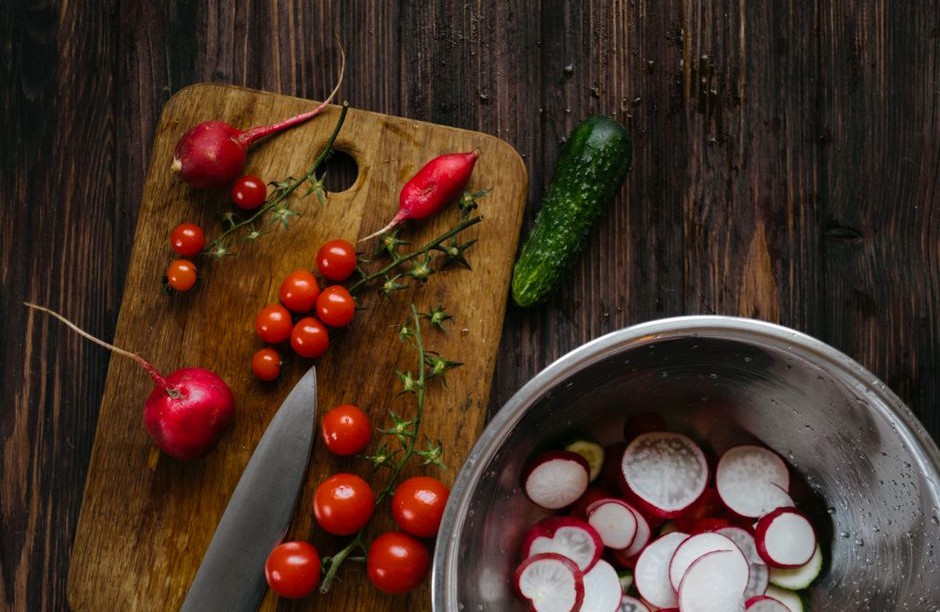
Summer cooking is at its best when the ingredients do most of the work. A bowl of ripe tomatoes, cucumbers, radishes, herbs, or leaves can become lunch with very little effort, but the difference between a forgettable salad and a good one is usually balance rather than complexity.
Instead of starting with a recipe, think in contrasts. Choose something crisp, something juicy, something rich, and something sharp. That framework works with whatever happens to be in the fridge or at the market.
Build the bowl in layers
Begin with freshness. This is the bulk of the salad: tomatoes, lettuce, cucumber, shaved fennel, raw courgette, peppers, or finely sliced cabbage. Use two or three rather than everything you own. A shorter ingredient list makes each texture easier to notice.
Add substance. Beans, lentils, boiled potatoes, grains, eggs, cheese, or leftover roast vegetables can move the dish from side salad to proper meal. You do not need much. A small amount of something filling often works better than loading the bowl until the vegetables disappear.
Bring in contrast. Toasted seeds, chopped nuts, croutons, pickled onions, olives, or thin slices of fruit add the part that keeps each bite interesting. This is also a useful place to use leftovers that are too small for another meal.
Dress while the ingredients are ready
A basic dressing needs acid, fat, salt, and often a small touch of sweetness. Lemon juice and olive oil are enough for many summer salads. Vinegar works just as well, especially with tomatoes, beans, or cabbage. If the dressing tastes too sharp on a spoon, remember that it will be diluted across the whole bowl.
Season the main vegetables before adding delicate leaves. Tomatoes and cucumbers benefit from a little salt and a few minutes to release their juices. Those juices become part of the dressing, which is one reason a simple salad can taste more complete after a short rest.
Use herbs like an ingredient
Parsley, basil, mint, dill, chives, and coriander can be added by the handful rather than as decoration. Tear the softer leaves just before serving and chop sturdier stems finely. Mixing two herbs often makes a familiar combination feel new without adding more ingredients.
For a quick dinner, one reliable pattern is tomatoes, cucumber, white beans, herbs, a salty cheese, and a lemon dressing. For something crunchier, try cabbage, radish, carrot, toasted seeds, and a mustard vinaigrette. The exact proportions are flexible.
The goal is not to create a perfect salad. It is to make seasonal produce easy to use while it is still at its best. Once you have a framework, the bowl can change every week without requiring a new recipe.