A Small Wardrobe That Feels Easier to Use
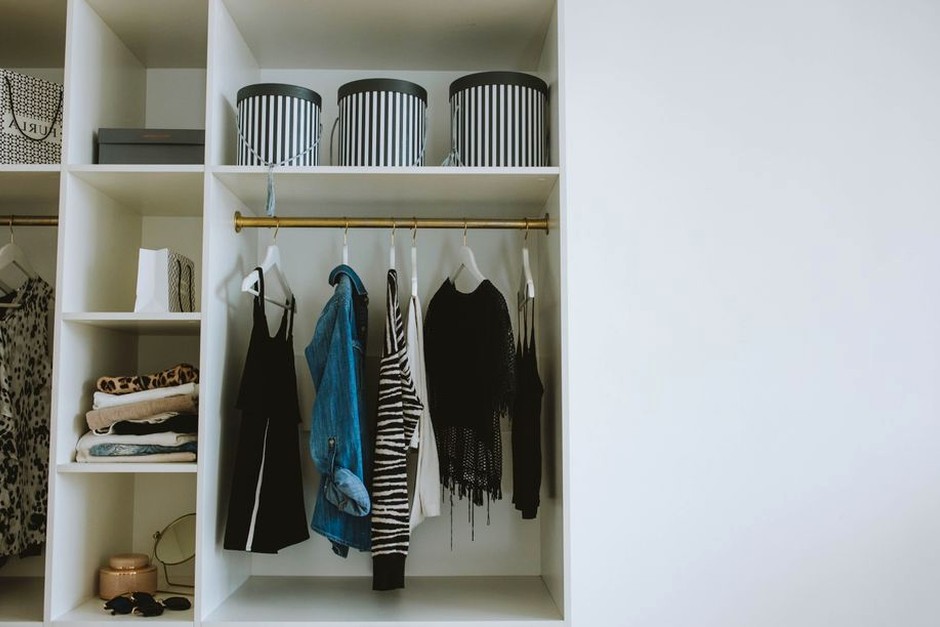
A small wardrobe can be surprisingly comfortable when the things inside it match the way you actually get dressed. The aim is not to create a picture-perfect rail or reduce your clothes to an arbitrary number. It is to make mornings simpler.
Begin with the awkward spots
Instead of emptying the entire wardrobe onto the floor, notice where friction already exists. Which drawer refuses to close? Which shelf hides items behind other items? What do you repeatedly forget you own? These problem areas tell you more than a generic decluttering rule.
Take one section at a time and group similar items together. Shirts with shirts, knitwear with knitwear, and everyday trousers in one visible place. Once categories are clear, it becomes obvious where the storage is too tight and where space is being wasted.
Keep the most-used clothes in the easiest zone
The middle of the wardrobe—roughly between shoulder and knee height—is prime space. Put your regular rotation there. Formalwear, spare bedding, or rarely used seasonal pieces can live higher up or farther back.
If a shelf is deep, use shallow boxes that can be pulled forward rather than stacking loose items in two invisible rows. For drawers, vertical folding can make T-shirts and knitwear easier to scan. The specific method matters less than whether you can see your choices without moving five other things first.
Let the wardrobe reflect the current season
You do not have to store every season in the same place. Moving heavy coats, beachwear, or thick jumpers out of the main wardrobe for a few months can create breathing room. A labelled box under the bed or on a high shelf is often enough.
When the weather changes, that seasonal swap also creates a natural moment to check fit, condition, and usefulness. Clothes that need a repair can go into a small, separate bag instead of disappearing back onto the rail.
Make putting clothes away easy
Many wardrobes become messy because returning an item takes more effort than taking it out. Leave some empty hanger space. Avoid overfilled drawers. Give worn-but-not-dirty clothes a specific hook or basket so they do not end up on a chair.
It also helps to keep a donation bag nearby. If you try something on several times and never choose it, you can move it out of the active wardrobe without turning the decision into a large project.
A practical wardrobe should look lived in. A little open space, a clear place for everyday pieces, and storage that follows your routine are more useful than perfect symmetry. The best sign that the system works is that you stop thinking about it.