How to Plan a Weekend Walk You’ll Actually Enjoy
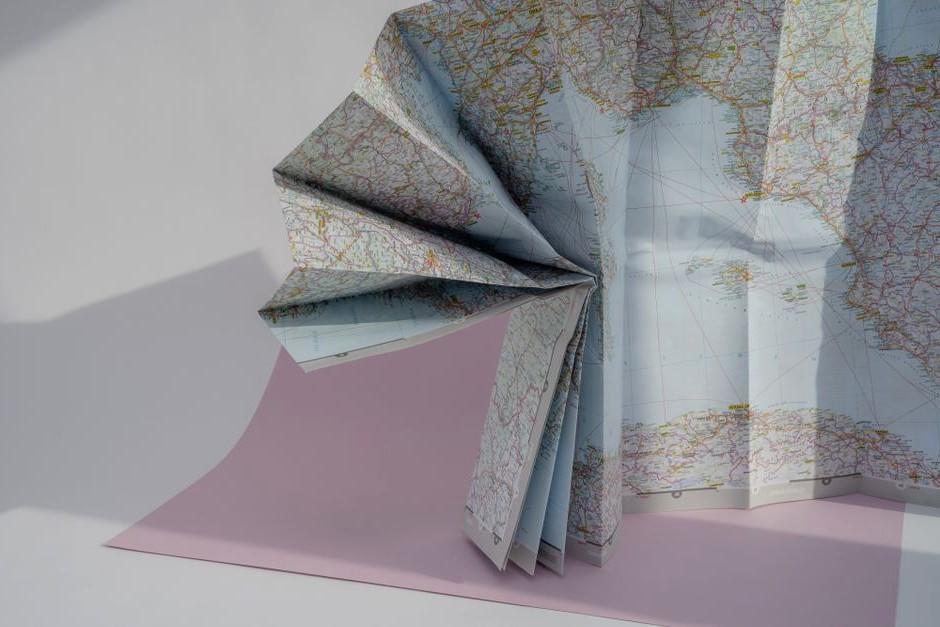
A good weekend walk does not need to be long, remote, or carefully optimized. In fact, some of the most satisfying routes are the ones that leave room for an unhurried coffee, a bench with a view, and an easy change of plan if the weather shifts.
Start with the kind of day you want
Before choosing a route, decide what you want the walk to feel like. A brisk two-hour loop is very different from an afternoon that includes a market, a riverside path, and a late lunch. Once the mood is clear, distance becomes easier to judge.
For a relaxed outing, a useful rule is to underestimate how far you will travel. Hills, photo stops, crowded paths, and an interesting side street all slow the pace in pleasant ways. Building in spare time turns those delays into part of the day instead of something to rush through.
Read the map for more than distance
A route can look simple on a screen and still feel awkward in practice. Check where the path crosses busy roads, whether there are steep sections, and where you can stop if you need water or shelter. If the route follows a coast, river, or ridge, note where the best views are likely to appear and approach them from the direction that makes the walk more enjoyable.
It is also worth identifying one or two easy exit points. A nearby station, bus stop, village, or road crossing gives the day flexibility. You may never use the shortcut, but knowing it exists makes a longer walk feel less committed.
Pack for comfort, not for an expedition
For an ordinary day walk, a small bag is usually enough: water, a light layer, something compact to eat, and a phone with the route saved offline. Comfortable shoes matter more than specialist equipment. On bright days, sun protection is easy to forget when the air feels cool.
Try to keep one pocket free. It sounds trivial, but having an easy place for a ticket, snack wrapper, or pair of sunglasses means you spend less time stopping to reorganize your bag.
Give the route one memorable anchor
The best walks often have a simple reason for existing: a bakery at the halfway point, a hilltop view, a bookshop near the finish, or a quiet stretch of water. That anchor gives the day shape without turning it into a checklist.
Once you arrive, resist the urge to immediately start the return leg. Sit down for ten minutes. Look around. A weekend walk becomes more restorative when it contains a real pause rather than functioning as another task to complete.
Finally, leave a little of the route unexplored. A path you did not take becomes an easy idea for next time, and familiar places become more interesting when you return with a different direction in mind.